¶ The anatomy of an Open Science Retreat
For the purpose of the following chapters we view the event as an organism and the organizing team as the health specialists.
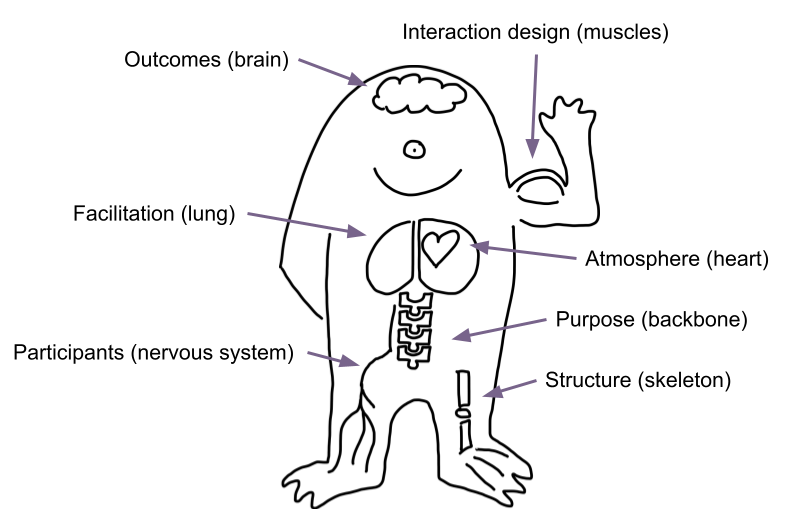
¶ Purpose (backbone)
What should happen because of this event?
Providing space and time for Open Science enthusiasts to connect, collaborate, and recharge.
¶ Structure (skeleton)
What should happen and when?
An important aspect of the retreat is that all activities are optional.
This is the standard daily structure:
| Before breakfast | Relaxing activities, like walks, yoga, running, meditation, … |
| After breakfast |
Standup:
|
| Breakfast - Lunch | Topic group sessions |
| Lunch - Dinner |
A mix of:
|
| After dinner | A mix of social activities |
Arrival day:
| 2-4 hours | Arrival period and check-in. |
| flexible | Getting to know each other, usually via games. |
| 2 hours | Defining the group session topics. |
Departure day:
| Flexible | Wrapping up unconference topic work |
| 1-2 hours |
Presentations:
|
| Flexible | Departure period |
For details on how to share the structure with the participants and allow them to interact see the schedule board.
¶ Interaction design (muscles)
Who interacts with whom and how?
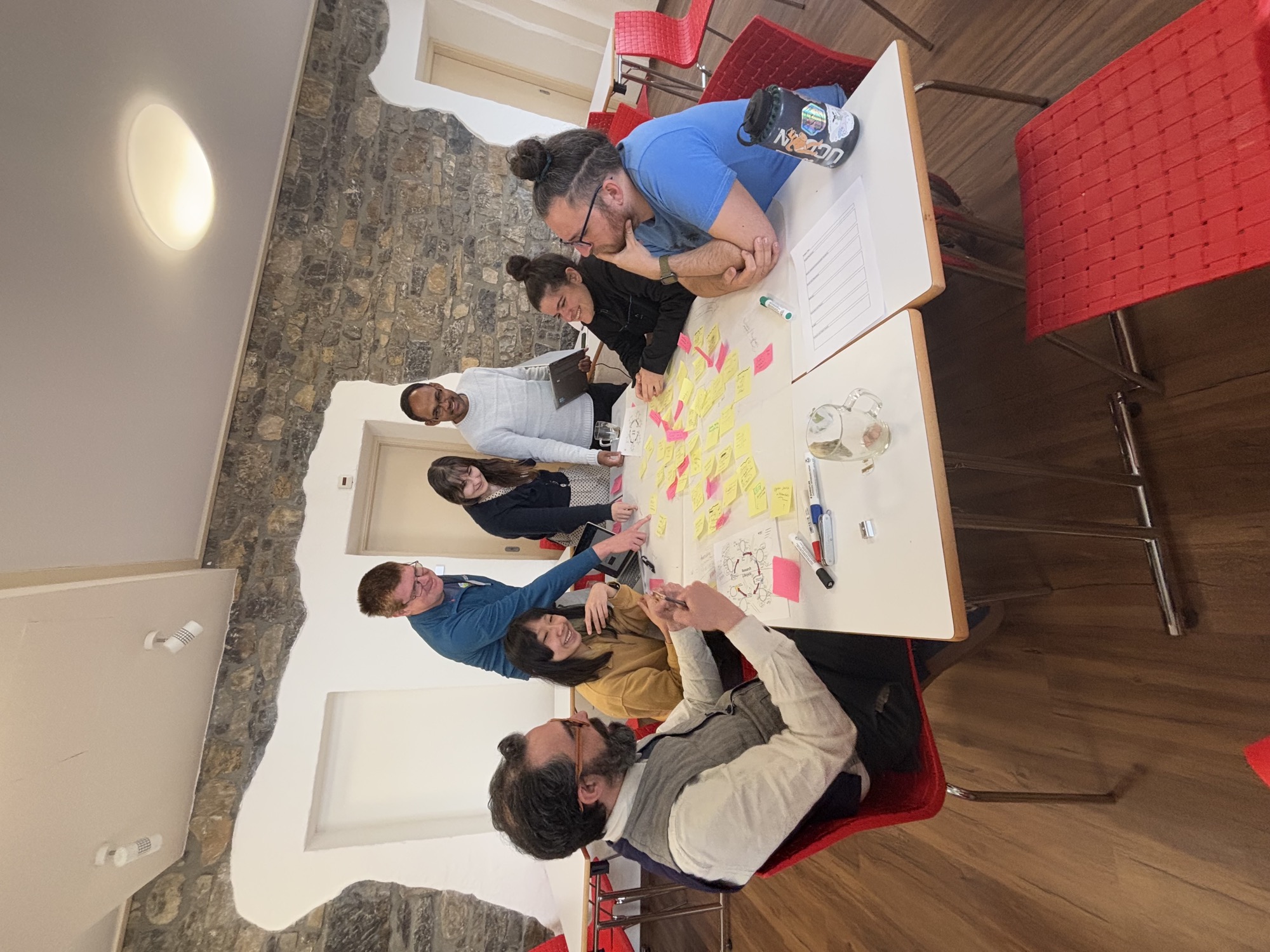
The Open Science Retreat is designed for human connection through varying formats and group sizes such as 1:1-conversations (Mentoring), nature activities, games, joint meals (we are all staying in the same venue for the week), topic groups, short sessions, …. The group size is such that everyone has time to get to know everyone else (30-45 participants + family and friends).
It is an intensely collaborative event. The organizers provide the space and structure, but the participants together decide on the topics.
The topic group sessions are collaborative. There is no “leader”. Participants decide together, what to work on, even if there was one person, who suggested the topic.
The event chat provides a way for people to interact asynchronously before and during the event.
The code of conduct provides guard rails for interaction between the people at the event. A small team is available in case of conflicts or unacceptable behavior.
¶ Participants (nervous system)
Who should participate and how?
Participants: 30 - 45 Open Science enthusiasts from all fields. Researchers, research staff, and other professionals who incorporate Open Science in their work.
Participants come to the Open Science Retreat because of their excitement for Open Science, but the event is also a safe space for people who need a week among like-minded folks. Many participants are members of under-represented groups in their field or the research community as a whole. Due to the friendly atmosphere, small group size, and flexible schedule, we can incorporate the needs of people who might not feel as included in bigger events or “normal” scientific conferences.
The participants take an active role in shaping the retreat. They decide on the topics of the topic group sessions, the short sessions and get to plan other activities. This means that it is normal to switch roles throughout the day from a collaborators, to mentor, to activity organizer, …
The organizers also become “regular” participants in many of the sessions.
Participants may bring family members or other accompanying persons to the retreat. They eat with us and are free to join the other activities.
The retreat requires an environment of kindness and participants who disrupt with sexist, racist or similar behavior are not welcome (see code of conduct).
¶ Facilitation (lung)
How to guide through the event?
The first day of the event is very critical and hands-on when it comes to facilitation. The concept is explained and the topic groups are formed.
The day before the last day (day 4) we announce how the last day will work, including check-out and final presentations.
On the last day (day 5) we guide through the final session, which includes the final presentation.
A template slide deck for day 1, 4 and 5 can be found here, which shows all the main information that needs to be shared with the participants.
The remaining days facilitation is light touch. It happens through:
- the morning stand-up
- the collaborative schedule board
- messages on the event chat
- spontaneous announcements during meals (if needed)
Short sessions and other activities may be facilitated by participants rather than the organizing team.
¶ Atmosphere (heart)
What should be the emotional experience?
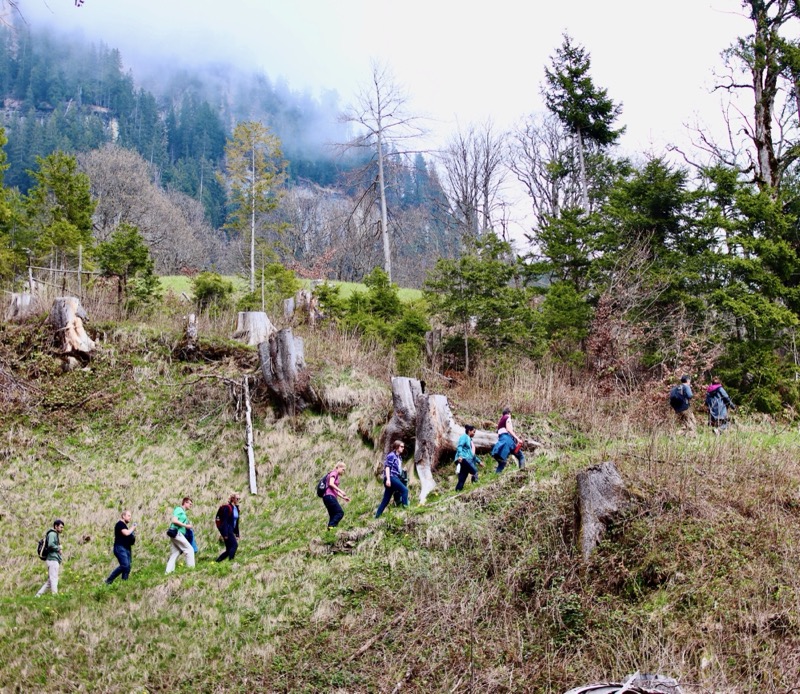
The retreat should feel like a safe space where participants can be the complex holistic humans that they are. Building blocks for that are:
- A code of conduct
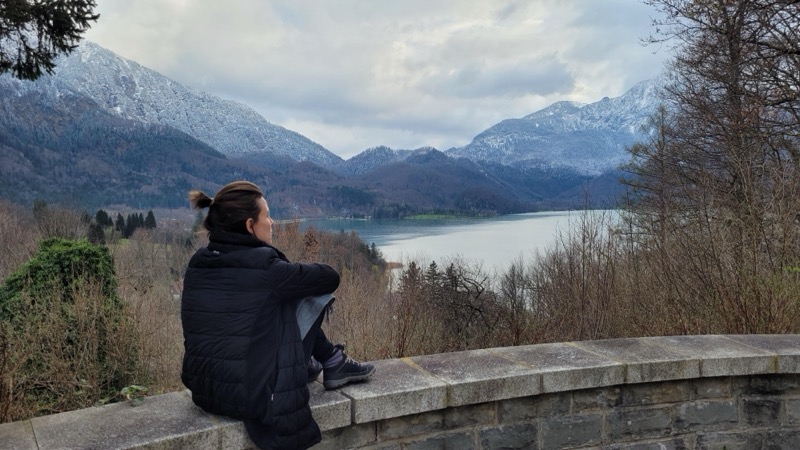
- Explicitly suggesting participants to take time for themselves
- The variety of ways of interactions: group work, discussions, 1:1 conversations, games, dancing, …
- A welcoming venue set in beautiful nature (more on venue selection in logistics)
|
|
|
¶ Outcomes (brain)
What outcome or output should the event generate?
- New or deepened connections: For many participants, this is the most meaningful outcome. We've seen connections in the form of long-term collaborations, hiring, joint grants, friendships, and even love 💜.
- A feeling of belonging by spending time with people with shared values.
- Unconference group work outputs: these are the most visible outcomes of the event and can be found on the Open Science Retreat website for each year.
- Outputs of other sessions (e.g. short sessions).